
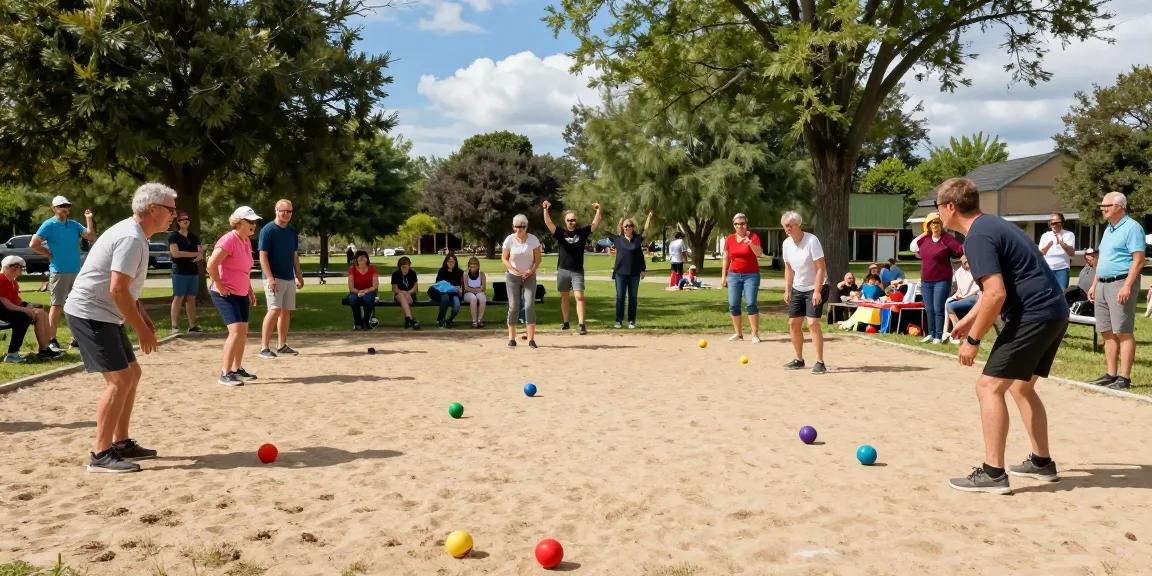
Understanding the Sport of Petanque
Petanque is a captivating sport that enjoys growing popularity around the globe, particularly in countries like Indonesia. With its origins tracing back to France, this game is more than just a pastime; it embodies a unique blend of strategy, skill, and social interaction. In Indonesia, particularly through the efforts of organizations like fopikotatarakan.org, this activity has found a vibrant community including recreational players and serious competitors alike. This article will delve into the history, rules, benefits, and community-building aspects of Petanque in Indonesia.
1. History of Petanque in Indonesia
The sport of petanque made its way to Indonesia through French expatriates who introduced it during their stay in the archipelago. Although the exact timeline remains vague, it is widely believed that petanque was brought to Indonesia in the late 20th century. Evidence suggests that expatriates played the game in upscale locations such as Jakarta, Lombok, and Bali, often in conjunction with the hospitality sector, where they established dedicated play areas in hotels managed by French nationals. One notable introduction of the sport happened through the French consulate’s education initiatives in Yogyakarta, which served to enhance cultural ties and community engagement.
Petanque remained somewhat exclusive, emphasizing play within expat circles for many years. It wasn’t until 2011, coinciding with Indonesia’s role as host for the SEA Games, that the sport began to receive wider recognition. The establishment of the Federasi Olahraga Petanque Indonesia (FOPI) marked a significant milestone in the formal organization and development of the sport. FOPI has played a crucial role in promoting petanque and nurturing local talent.
2. Rules and Gameplay Mechanics
The essence of petanque lies in its straightforward rules, making it accessible to players of all ages and skill levels. The game is played with metal balls (boules) and a small target ball (cochonnet). Players or teams aim to throw their boules as close as possible to the cochonnet while also strategizing to knock opponents’ boules away. The game can be played in singles, doubles, or triples formats, offering versatility in team dynamics.
- Objective: Get your boules closest to the cochonnet.
- Scoring: After all boules have been played, the team with the closest boule(s) scores points.
- Innings: Games continue until a team reaches a predetermined score, typically 13 points.
Beyond the basic rules, strategies can greatly influence the outcome of matches. Players must not only focus on precision but also on tactical placement to enhance their scoring potential and disrupt their opponents.
3. Benefits of Playing Petanque
Engaging in petanque offers numerous physical and mental health benefits. The sport encourages physical activity and improves coordination and concentration. Moreover, playing petanque fosters a sense of community among participants, which is vital for social interaction, especially for individuals looking to form connections in new environments. Below are some notable benefits:
- Physical Fitness: Enhances balance, coordination, and strength.
- Mental Agility: Develops strategic thinking and focus, contributing to cognitive health.
- Community Building: Creates bonds among players, encouraging inclusivity.
- Stress Relief: Provides a recreational outlet, reducing anxiety and enhancing well-being.
Connecting with FOPI Kota Tarakan
FOPI Kota Tarakan serves as the backbone for petanque in the region, working under the auspices of FOPI Provinsi Kalimantan Utara and KONI Kota Tarakan. The organization is dedicated to fostering the growth and development of petanque at both grassroots and competitive levels.
1. Overview of FOPI’s Mission and Vision
FOPI’s mission revolves around promoting petanque as a recognized sport throughout Indonesia and encouraging participation across all demographics. The organization aims to enhance the skills of athletes through structured coaching programs, facilitate competitions, and nurture local clubs. By aligning closely with national sports policies, FOPI works to ensure petanque’s integration within broader sporting events.
2. Key Events and Competitions in 2026
As petanque continues to grow in Indonesia, FOPI has planned several key events for 2026 that are set to showcase local talent and foster community engagement. These include:
- Regional Championships: Annual championships bringing together teams from various provinces.
- Workshops and Clinics: Skill development sessions led by experienced coaches to improve player techniques.
- Community Days: Social events designed to promote awareness and participation in petanque across different age groups.
These events not only aim to improve player standards but also serve as a platform to attract new participants to the sport.
3. How to Get Involved with FOPI Activities
Joining FOPI Kota Tarakan is an excellent way to immerse oneself in the petanque community. New members can participate in local clubs, sign up for events, or engage in community initiatives. Contacting FOPI through their official email or visiting their website are great first steps for anyone looking to get involved.
Building a Petanque Community
Creating a vibrant petanque community requires collective effort from players, clubs, and organizations. A thriving environment encourages learning, sharing experiences, and enhancing the overall appeal of the sport.
1. Creating Local Clubs and Groups
Local clubs are crucial in nurturing talent and fostering camaraderie. They provide structured opportunities for practice, competitions, and social gatherings. Establishing clubs in neighborhoods or schools can include organizing weekly meetups and friendly competitions, making the sport part of the community fabric.
2. Strategies for Promoting Petanque
Awareness campaigns can significantly enhance petanque’s visibility. Strategies might include:
- Social Media Engagement: Using platforms to share success stories, event announcements, and player highlights.
- Partnerships with Schools: Integrating petanque into physical education curriculums can inspire younger generations.
- Community Tournaments: Hosting local tournaments can attract attention and encourage participation from various demographics.
3. Engaging with Schools and Youth Programs
Schools play an essential role in promoting sports among youth. Introducing petanque as part of school sports programs not only helps in developing new talents but also instills values of teamwork and discipline among students. FOPI can collaborate with educational institutions to run clinics and tournaments, thereby sparking interest in the sport.
Competing at Higher Levels
Aspiring athletes aiming for higher competition levels should focus on dedicated training, strategy development, and understanding the nuances of the game. Those interested in competing should seek opportunities through FOPI or local clubs.
1. Training Tips for Aspiring Athletes
Consistent practice is vital for improvement. Athletes should focus on:
- Technique Refinement: Regular drills to enhance throwing precision and control.
- Game Strategy: Understanding when to play aggressively versus defensively during matches.
- Physical Conditioning: Exercises to improve overall fitness, crucial for sustaining performance during competitions.
2. Preparing for National and International Competitions
Preparation for competitions involves more than just skill; mental toughness is equally important. Athletes should practice under competitive conditions, participate in mock tournaments, and learn the psychological aspects of competing under pressure.
3. Understanding Scoring and Strategy
A comprehensive understanding of the scoring system is essential. Players should familiarize themselves with various strategies that can be employed to maximize their scores while minimizing opportunities for opponents.
The Future of Petanque in Indonesia
The trajectory for petanque in Indonesia appears promising as enthusiasm for the sport grows. Organizations like FOPI are pivotal in this development, ensuring that infrastructure and community support evolve with the sport’s rising popularity.
1. Emerging Trends and Developments in 2026
With the sport gaining traction, we expect to see increased participation at all levels, improvements in training methodologies, and enhanced visibility in media. Local leagues will likely become more competitive, fostering a richer talent pool.
2. Potential for Growth in Popularity
As awareness of petanque expands, especially among younger demographics, we can anticipate a more diverse participation base. Engaging activities and outreach programs will contribute to this growth, ensuring petanque’s sustainability as a sport.
3. Insights from Industry Experts
Industry experts predict that with proper support and effective marketing, petanque could be integrated into various national sporting events, gaining recognition as not just a recreational activity but a competitive sport that can drive community pride.
What is FOPI Kota Tarakan?
FOPI Kota Tarakan is the regional governing body for petanque in Tarakan, Indonesia, dedicated to developing the sport, organizing competitions, and fostering community engagement.
How can I participate in petanque events?
To participate in petanque events, you can join local clubs affiliated with FOPI or sign up for competitions hosted by the organization.
What are the health benefits of playing petanque?
Playing petanque helps improve physical fitness, enhances mental agility, and promotes social connectivity among players.
How does FOPI support petanque development?
FOPI supports petanque development through organized competitions, training programs for players, and community outreach initiatives.
What should beginners know about petanque?
Beginners should familiarize themselves with the basic rules, practice regularly, and engage with local clubs to enhance their skills and understanding of the game.