Introduction to the Wildebeest Calving season safari
The Wildebeest Calving season safari offers one of the most awe-inspiring wildlife spectacles on the planet. Every year, thousands of wildebeests gather in the Serengeti to bring new life into the world, creating a vibrant scene filled with emotional and dramatic moments. This event draws nature enthusiasts, photographers, and travelers seeking one-of-a-kind experiences. If you are considering this adventure, a Wildebeest Calving season safari should definitely be on your travel itinerary.
Understanding the wildebeest migration patterns
The wildebeest migration patterns are a crucial part of Tanzania’s ecosystem. Approximately 1.5 million wildebeests travel more than 1,800 miles in search of food and water, driven by the changing seasons. This majestic journey, known as the Great Migration, involves the animals moving between the Serengeti and the Maasai Mara in Kenya. Key factors influencing their migration include rainfall patterns and the availability of grass.
Why calving season is crucial for wildlife
Calving season, typically occurring from late January to March, is a critical time for wildebeests. This period, lasting several weeks, sees the birth of around 500,000 calves. The survival of these young animals is paramount for maintaining the population. The sheer number of births within such a short span increases opportunities for predation, creating a dynamic that affects not only wildebeests but also other predators in the ecosystem.
Best times to witness the calving events
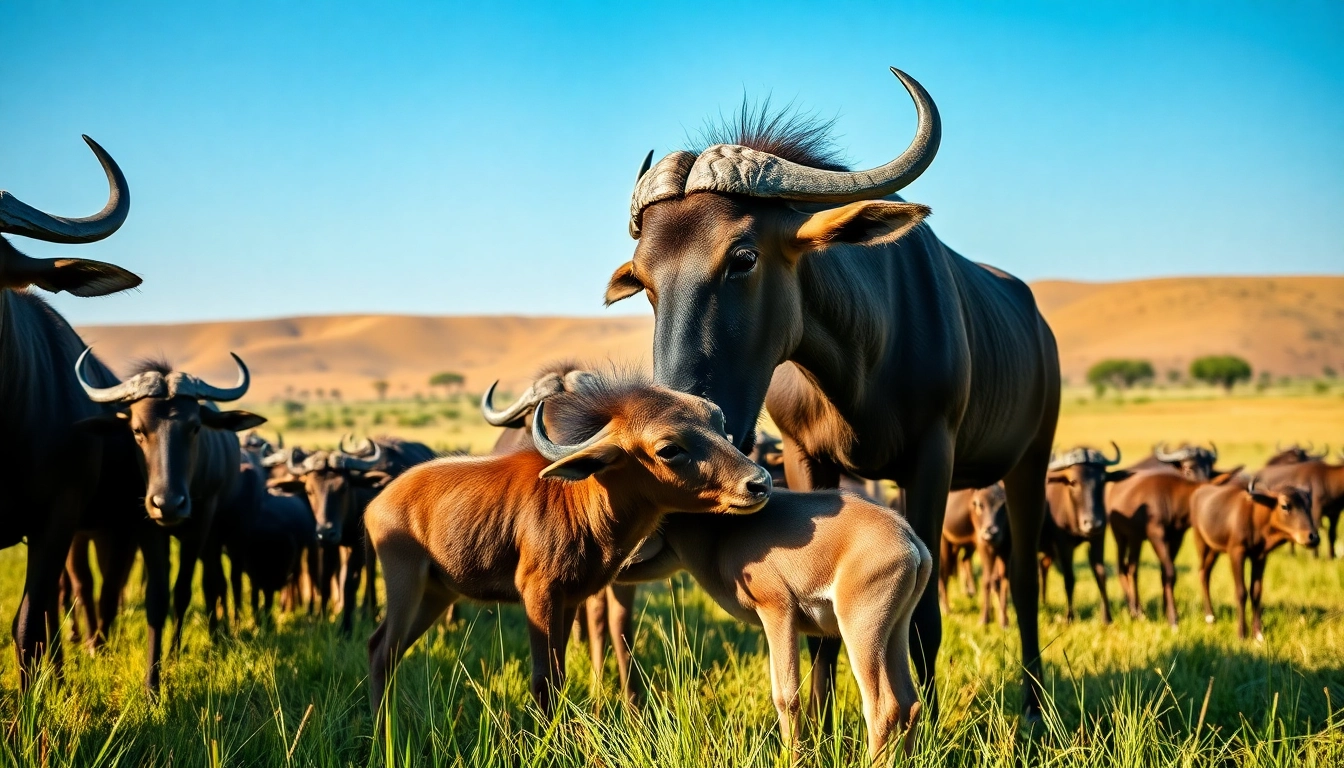
The optimal time to experience the calving events is during the peak of the calving season. Late January through early March provides a chance to see newborn calves taking their first steps, protected by their mothers. Witnessing such raw, natural events can be profoundly emotional and rewarding for visitors. Timing your safari to coincide with these events requires careful planning and expert insight.
Planning Your Wildebeest Calving season safari
Choosing the right safari tours
Selecting the right safari tour is essential for maximizing your experience during the Wildebeest Calving season safari. Look for tours that specialize in calving season to ensure knowledgeable guides who understand the migration patterns and animal behaviors. Research various tour operators, read reviews, and compare packages to choose one that aligns with your expectations and budget.
Essential packing tips for the safari
When preparing for your safari, proper packing is crucial. Essential items include:
- Lightweight clothing suitable for warm daytime temperatures and cooler evenings.
- A good pair of binoculars for wildlife viewing.
- High-quality camera and lenses for capturing unforgettable moments.
- Comfortable walking shoes for guided walks.
- Insect repellent and sunscreen to protect against pests and sun exposure.
- A refillable water bottle to stay hydrated.
Best accommodations near migration areas
Choosing suitable accommodations is vital for a comfortable experience. Look for lodges or camps located strategically near migration areas, which reduce travel time and enhance your wildlife viewing opportunities. Options vary from luxury lodges with all amenities to budget-friendly tented camps catering to diverse preferences.
Experiencing the Wilderness during the Wildebeest Calving season safari
Top viewing locations for calving wildebeests
Some of the best locations to observe the calving wildebeests include regions like Ndutu and the Southern Serengeti. These areas are typically teeming with activity during the calving season. Guided tours can lead you to specific spots where you can witness dramatic interactions between predators and newborns, offering a thrilling wildlife viewing experience.
Etiquette for observing wildlife
Observing wildlife comes with responsibilities. Follow these tips to ensure a respectful safari experience:
- Maintain a safe distance from the animals to avoid stressing them.
- Never feed or provoke wildlife.
- Keep noise levels down for a more immersive experience.
- Follow your guide’s instructions to ensure safety for both you and the animals.
Guided versus self-driven safari: Pros and Cons
Choosing between a guided or self-driven safari depends on personal preferences and experience levels. Guided safaris provide expert knowledge, insight into animal behavior, and ensure safety. Conversely, self-driven safaris allow for independence and flexibility in itinerary, though require extensive planning and knowledge of the terrain. Assessing your comfort level with navigation and wildlife will help you make the right choice.
Photography Tips for Your Wildebeest Calving season safari
Equipment essentials for wildlife photography
Capturing the beauty of the Wildebeest Calving season safari calls for the right equipment. Essential items include:
- A DSLR or mirrorless camera for high-quality imagery.
- A telephoto lens to capture distant action without disturbing wildlife.
- Extra batteries and memory cards to ensure you don’t miss any moments.
- Lens cleaning kits to keep your gear in perfect condition.
Best practices for capturing the moment
To enhance your wildlife photography skills, adhere to these best practices:
- Be patient and wait for the right moments; animals are unpredictable.
- Focus on the eyes of the subject for engaging and emotional photos.
- Experiment with different angles and perspectives for diversity in your shots.
- Use natural light effectively, particularly during golden hours (early mornings and late afternoons).
Editing your safari photos beautifully
Post-processing can elevate your images. Use editing software to adjust exposure, contrast, and sharpness. Cropping can also enhance the focus of your subject. Avoid excessive retouching to keep the natural essence of the wild intact. A minimalist approach often yields more authentic results.
Conclusion and FAQs about the Wildebeest Calving season safari
Summary of key insights
The Wildebeest Calving season safari is more than just an adventure; it is an opportunity to witness the raw beauty and drama of nature. From understanding migration patterns to selecting the right tour and ensuring ethical wildlife observation, planning your safari comprehensively can profoundly impact your experience. Engaging with experts, packing wisely, and honing your photography skills are all critical components to making the most of this unforgettable journey.
How to keep safe during your safari
Maintain safety by adhering to your guide’s instructions, keeping a safe distance from wildlife, and being aware of your surroundings. Avoid risky behaviors such as leaving your vehicle in an open park area.
Where to find more resources on wildlife safaris
For additional resources on planning wildlife safaris, including travel tips, guides, and recommended gear, consider visiting wildlife conservation websites, travel blogs, and photography forums.
FAQs
What is the best time to see the calving season?
The best time to experience the calving season is from late January to early March, when most births occur and the migration is at its peak.
How far do wildebeests migrate?
Wildebeests typically migrate over 1,800 miles between the Serengeti in Tanzania and the Maasai Mara in Kenya, following seasonal rainfall for food and water.
Can children go on safari during the calving season?
Yes, children can go on safari, but it’s essential to check with tour operators for age restrictions and family-friendly options tailored to young adventurers.
What should I wear on a safari?
Wear lightweight, breathable clothing in neutral colors to blend into the environment, and don’t forget comfortable shoes for walking and exploring.
Is it safe to go on safari?
Safaris are generally safe when following guidelines set by your guides, maintaining a safe distance from wildlife, and being mindful of your surroundings.