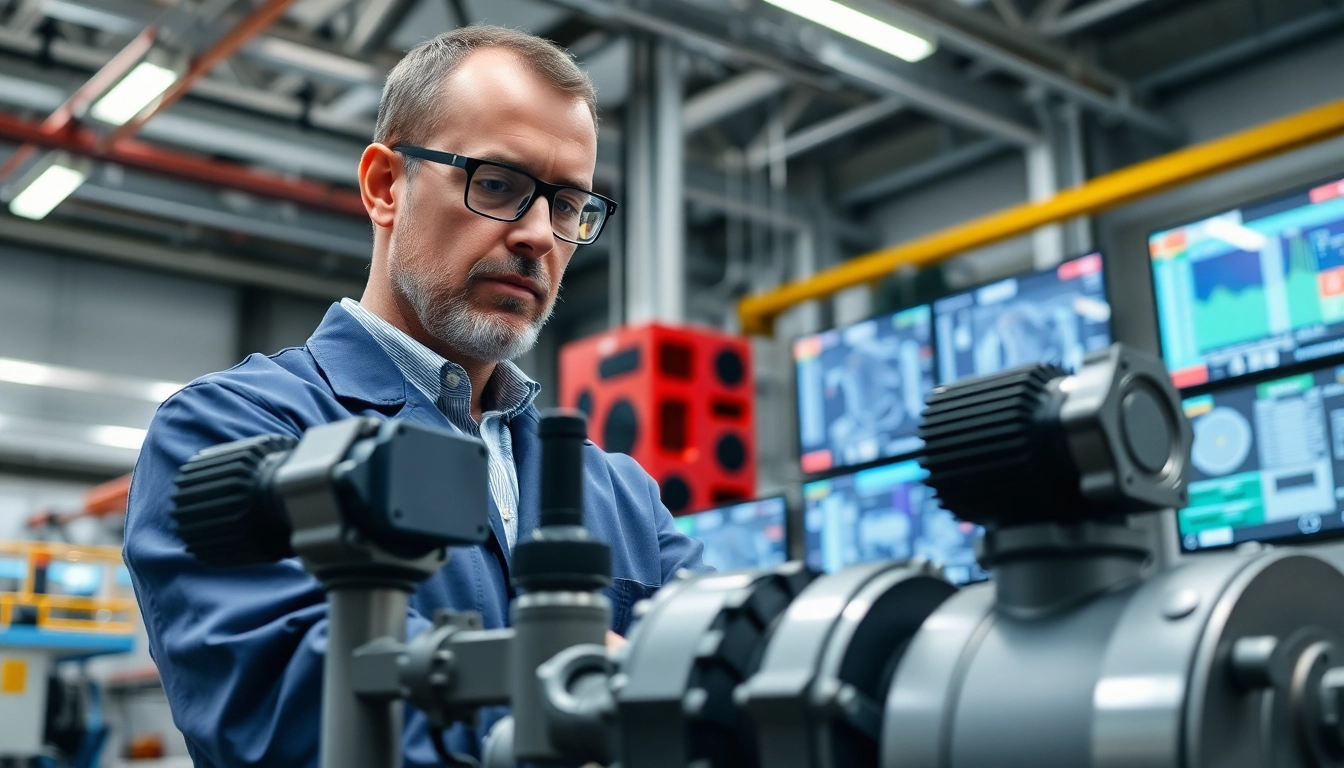

Understanding Vibration Control
What is Vibration Control?
Vibration control refers to the techniques and methods used to mitigate the effects of mechanical vibrations in systems and structures. It encompasses a variety of approaches aimed at reducing unwanted oscillations that can potentially disrupt the performance or integrity of equipment and buildings. By employing strategies to manage vibrations, engineers and designers can enhance safety, improve comfort, and prolong the lifespan of materials and machinery. Effective vibration control is crucial in industries ranging from aerospace to manufacturing, where precise performance is essential. In this regard, understanding Vibration Control becomes pivotal for optimal functionality.
The Importance of Vibration Control
The significance of vibration control cannot be understated. Excessive or uncontrolled vibrations can lead to a myriad of problems, including equipment malfunction, structural damage, and even dangerous accidents. For instance, in the engineering and aerospace sectors, improper control of vibrations may contribute to component fatigue, leading to catastrophic failures. Furthermore, in environments where machinery operates in close proximity to human staff, the importance of vibration control rises as it directly impacts comfort levels and worker safety.
Additionally, uncontrolled vibrations can generate unwanted noise, which can be detrimental in sensitive environments such as hospitals or research facilities. Thus, implementing effective vibration control strategies is critical not only for equipment performance but also for the overall safety and well-being of individuals in various settings.
Common Applications of Vibration Control
Vibration control finds applications across numerous domains, tailored to suit specific needs and challenges. Some notable applications include:
- Aerospace: Aircraft structures must withstand various vibrations during flight, necessitating advanced vibration control strategies to ensure reliability and safety.
- Automotive: Vehicles are subjected to road-induced vibrations. The implementation of vibration control systems improves ride comfort and reduces wear on components.
- Industrial Machinery: Heavy machinery operates in environments where vibrations can adversely affect performance. Vibration control mechanisms help enhance the durability and efficiency of such equipment.
- Construction: Buildings and bridges employ vibration control systems to withstand seismic activities and minimize structural fatigue.
- Electronics: Sensitive electronic components benefit from vibration control to avoid performance degradation.
Main Techniques for Vibration Control
Passive Vibration Control Systems
Passive vibration control systems do not require an external energy source to operate. They work by utilizing materials and structures that inherently possess damping properties. Common passive systems include:
- Dampers: Devices that absorb and dissipate vibrational energy through materials designed to convert kinetic energy into thermal energy.
- Isolators: Systems that decouple the vibrating source from the structure, reducing the transfer of vibrations. Rubber mounts and springs are common examples.
- Tuned Mass Dampers: These consist of a mass mounted on a spring. The system is tuned to resonate at the same frequency as the unwanted vibrations, thus minimizing their impact.
While passive systems are generally less complex and require minimal maintenance, they may not be effective across varying frequency ranges.
Active Vibration Control Systems
Active vibration control systems utilize sensors and actuators to detect and counteract vibrations in real-time. This approach allows for real-time adjustments and can effectively manage a wider range of frequencies. Key components of active systems include:
- Sensors: Devices that measure vibrations and provide data to the control system.
- Controllers: Algorithms that analyze the data and determine the required corrective action.
- Actuators: Mechanisms that apply forces to the structure to counteract the detected vibrations.
Although active systems are capable of significant vibration reduction, their complexity and reliance on power sources can lead to higher operational costs and maintenance requirements.
Hybrid Approaches to Vibration Control
Hybrid vibration control systems combine both passive and active techniques to leverage the strengths of each method. For instance, a system may use passive dampers for constant vibrations while employing active control for variable conditions. This flexibility can lead to greater overall performance in terms of damping capabilities and the ability to adapt to different load conditions.
Hybrid systems are becoming increasingly popular in dynamic environments where varying conditions may render either passive or active systems less effective. Through integration and appropriately calibrated settings, these systems can provide tailored solutions that meet specific operational needs.
Challenges in Implementing Vibration Control
Technical Limitations
Despite the advancements in vibration control technology, various technical limitations persist. The dynamics of systems can be intricate; therefore, accurately modeling the behavior of structures under vibrational stress can be a complex challenge. Furthermore, many systems may not address all vibrational frequencies effectively, leading to potential oversights in vibration management.
Additionally, environmental factors such as temperature and humidity can affect the performance of vibration control technologies, necessitating continual assessment and adjustment of systems.
Cost Considerations
Implementing vibration control systems can entail significant costs, particularly for active systems. Budget constraints can limit the options available to organizations, especially smaller businesses. It’s crucial to balance the investment in vibration control technology with the expected return in terms of efficiency, safety, and longevity of equipment. A cost-benefit analysis can help organizations determine the most viable approach, weighing functionality against budgetary limitations.
Environmental Factors
The operational environment plays a crucial role in the effectiveness of vibration control systems. For example, extreme temperatures, humidity, and corrosive environments can affect the materials and components used in vibration control. Furthermore, vibration systems must be designed with compliance to environmental regulations in mind, especially in areas where noise pollution is a concern.
Understanding the specific environmental conditions is vital for selecting the appropriate vibration control systems and ensuring their successful implementation.
Best Practices for Effective Vibration Control
Assessment and Monitoring Techniques
Regular assessments are essential for determining the operational status of vibration control systems. Techniques such as modal analysis and frequency response testing can measure the effectiveness of current strategies and identify areas for improvement.
Continuous monitoring can also preemptively identify emerging issues, allowing for timely intervention before problems escalate. Implementing a systematic monitoring approach can support the long-term effectiveness of vibration control efforts.
Choosing the Right System
Choosing the appropriate vibration control system requires a thorough understanding of the specific environment and vibration profiles to be managed. Factors such as the type of machinery, frequency ranges, and spatial constraints impact system selection.
Consulting with vibration control specialists can help identify the best tailored solutions that align with operational requirements, ultimately enhancing system effectiveness and contributing to overall performance objectives.
Integration with Existing Systems
Effective vibration control must consider existing systems and infrastructure. Ensuring compatibility with pre-installed machinery and architectural frameworks is critical for successful implementation. Integration strategies may include retrofitting existing systems or adopting modular solutions that blend seamlessly with current setups.
Collaboration with system designers and engineers can facilitate smoother integration processes, minimizing downtime and disruptions during transitions.
Future Trends in Vibration Control
Innovative Technologies and Approaches
The field of vibration control is continuously evolving, with innovations that enhance current technologies and introduce new methodologies. Machine learning and artificial intelligence, for instance, are emerging as powerful tools for optimizing vibration control systems, offering predictive capabilities that enhance responsiveness and efficiency.
Nanotechnology is another area with promising applications in vibration control, allowing for the development of advanced materials with superior damping properties that can be utilized in both active and passive systems.
Sustainability in Vibration Control
As sustainability becomes an overarching goal across industries, vibration control systems are also adapting to meet these standards. This includes the use of environmentally friendly materials in system design and the development of energy-efficient active systems.
Furthermore, sustainable practices in vibration control take into account not only the operational efficiency but also the reduction of overall noise pollution, contributing positively to work and living environments.
The Role of Digital Twins
Digital twin technology is revolutionizing vibration control practices by providing detailed simulations of physical systems. These simulations allow engineers to assess the interaction of forces and vibrations under various conditions, leading to optimized design and functionality of control systems.
By analyzing data from their physical counterparts, digital twins can provide insights into performance, facilitate predictive maintenance, and enhance system reliability, paving the way for innovative solutions in managing vibrations.
Frequently Asked Questions
What are the main types of vibration control systems?
The main types of vibration control systems are passive, active, and hybrid systems, each serving distinct applications and offering various methods for mitigating vibrations.
How does vibration control benefit industrial machinery?
Vibration control enhances industrial machinery performance by reducing wear and tear, improving operational efficiency, and increasing the lifespan of equipment.
Can vibration control affect environmental noise levels?
Yes, effective vibration control can significantly lower environmental noise levels by dampening vibrations that produce unwanted sound in industrial and urban settings.
What are the challenges in implementing active vibration control?
Challenges include technical complexities, initial costs, and the need for reliable power sources for ongoing operation and maintenance.
How often should vibration control systems be assessed?
Regular assessments are recommended, typically quarterly or biannually, to ensure optimal functioning and to identify potential issues before they escalate.