
Understanding Colonial Addition
What is Colonial Addition?
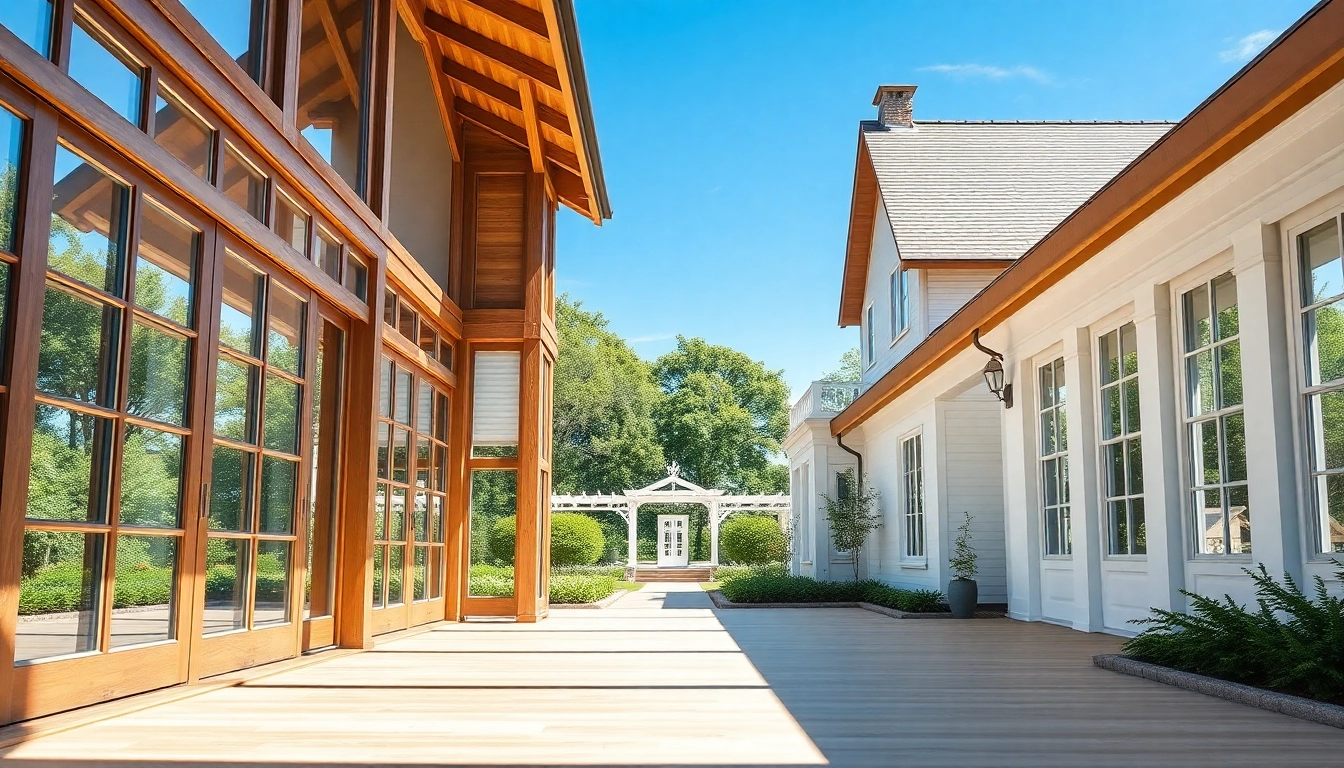
A colonial addition is a structural enhancement of a property designed with roots in traditional Colonial architecture. These additions blend modern functionality with classic aesthetics, creating new living spaces that are both usable and visually appealing. Homeowners often consider such projects to expand their homes while maintaining the integrity and charm of the historic design language. This approach ensures that updates do not clash with the original architecture, providing a cohesive look across the home.
Historical Significance
The Colonial style represents a significant chapter in American history, encompassing various architectural styles from the early 1600s through the 1800s. These styles evolved from European influences brought by settlers, notably the English, Dutch, and Spanish. The enduring popularity of Colonial architecture lies in its symmetry, classic proportions, and robust materials. By embracing a colonial addition, homeowners not only enhance their property but also acknowledge and preserve the rich architectural heritage that defines these styles. This homage captures the essence of American history while offering modern comforts and efficiency.
Design Characteristics
Colonial additions are characterized by their distinct architectural features, which contribute to their timeless appeal. Key traits include:
- Symmetry: Colonial homes typically exhibit a balanced and symmetrical facade, with windows and doors aligned to create a harmonious look.
- Geometric Shapes: Simple geometric forms dominate Colonial architecture, often incorporating rectangular structures and gabled roofs.
- Brick and Wood Finishes: Traditional materials such as brick, wood, and stone are prevalent, reflecting the craftsmanship of the time. These materials enhance the aesthetic while ensuring durability.
- Classic Porch Designs: Many Colonial homes feature inviting porches supported by sturdy columns, providing a welcoming entry and outdoor space.
Benefits of Adding Colonial Style
Enhancing Aesthetic Appeal
One of the most immediate benefits of a colonial addition is the enhancement of a home’s aesthetic appeal. The incorporation of classic architectural elements not only beautifies the exterior but also enriches interior spaces. Designing additions that reflect traditional styles can result in a unified appearance, improving curb appeal and impressing visitors. The use of matching siding, roofing materials, and window styles can create a seamless transition between old and new, ensuring the addition feels like an integral part of the original structure.
Increasing Property Value
Investing in a colonial addition can significantly increase a property’s market value. As potential buyers are often drawn to homes that exude charm, character, and functionality, a well-executed colonial addition can set a property apart in the real estate market. By enhancing living space and applying thoughtful design principles, homeowners can expect to recoup a substantial portion of their investment upon selling. The appeal of Colonial aesthetics combined with modern amenities can be a compelling factor in attracting buyers, leading to higher offers compared to homes lacking such features.
Creating Functional Spaces
Beyond aesthetics and value, a colonial addition serves a crucial functional purpose. Homeowners may require more space due to growing families or changing lifestyle needs. A colonial addition can create extra bedrooms, home offices, or expanded living areas. By thoughtfully planning these spaces, homeowners can align them with their daily routines, ensuring convenience while maintaining a cohesive look with the existing structure. Sustainable design elements can be integrated, allowing for energy-efficient solutions that cater to modern living without compromising the historic character of the home.
Planning Your Colonial Addition
Obtaining Necessary Permits
The planning phase for any addition starts with understanding local zoning laws and securing the necessary permits. Before breaking ground on a colonial addition, homeowners must consult their local authorities to ensure compliance with building codes and regulations. This may involve submitting architectural plans, historical review applications, and ensuring adherence to neighborhood guidelines. Proper documentation will not only avoid potential fines but also ensure the addition respects the architectural significance of the surrounding area.
Choosing the Right Materials
Selecting appropriate materials is key to achieving a successful colonial addition. Using traditional materials like wood, brick, and stone ensures the addition harmonizes with the existing structure. Homeowners should prioritize high-quality materials that echo historical significance while also providing durability and low maintenance. It’s also essential to consider the climate of the area, as it may affect material choice. Consulting with architects and builders familiar with Colonial styles can provide valuable insights into making the right selections.
Hiring the Right Professionals
Choosing qualified professionals is critical to ensuring the success of a colonial addition project. This typically involves hiring an architect with experience in Colonial architecture, a licensed contractor, and potentially, a historical consultant. An architect can help create sympathetic designs that balance traditional aesthetics with modern convenience, while a contractor ensures quality construction within budget and timeline constraints. Collaboration among these professionals allows for a comprehensive approach, minimizing mistakes and maximizing the potential of the colonial addition.
Popular Design Ideas for Colonial Addition
Integrating Modern Amenities
While preserving the charm of Colonial architecture, homeowners can seamlessly integrate modern amenities. This includes incorporating open floor plans, energy-efficient HVAC systems, and updated electrical wiring without sacrificing the traditional look. Skilled architects can devise layouts that balance spaciousness with unique nooks and crannies, preserving the iconic colonial feel while allowing for comfort and convenience. Smart home technology can also be included discreetly, ensuring homes remain functional and adaptable while retaining their architectural integrity.
Maintaining Historical Integrity
It’s essential to maintain the historical integrity of Colonial additions while incorporating modern elements. To achieve this, homeowners should consider adhering closely to classic design principles. Authentic detail—like moldings, trim profiles, and hardware—should be utilized throughout the addition. These can be complemented by modern touches that do not detract from the overall aesthetic, such as energy-efficient insulation and windows that mimic the traditional look. Staying true to historical context while innovating creates a harmonious blend of old and new.
Incorporating Green Building Practices
Incorporating eco-friendly materials and technologies into a colonial addition is not only beneficial for the environment but may also save on long-term energy costs. Sustainable building practices—including utilizing reclaimed materials, enhancing insulation, and installing energy-efficient windows—can greatly lessen the environmental impact. Garden spaces, permeable driveways, and rainwater harvesting systems also contribute to sustainability while assisting with stormwater management. By prioritizing green practices, homeowners can ensure their colonial addition is future-proofed and environmentally responsible.
FAQs About Colonial Addition
What is a colonial addition?
A colonial addition blends modern features with classic architecture to enhance a home’s character.
How does colonial addition increase property value?
It appeals to buyers for its charm and functionality, translating into higher market value.
What materials are best for colonial additions?
Commonly used materials include wood, brick, and stone to reflect traditional aesthetics.
How long does a colonial addition project take?
Project timelines vary, but expect several months for design and construction phases.
Can a colonial addition save energy?
Incorporating energy-efficient features can significantly reduce energy consumption in colonial additions.