
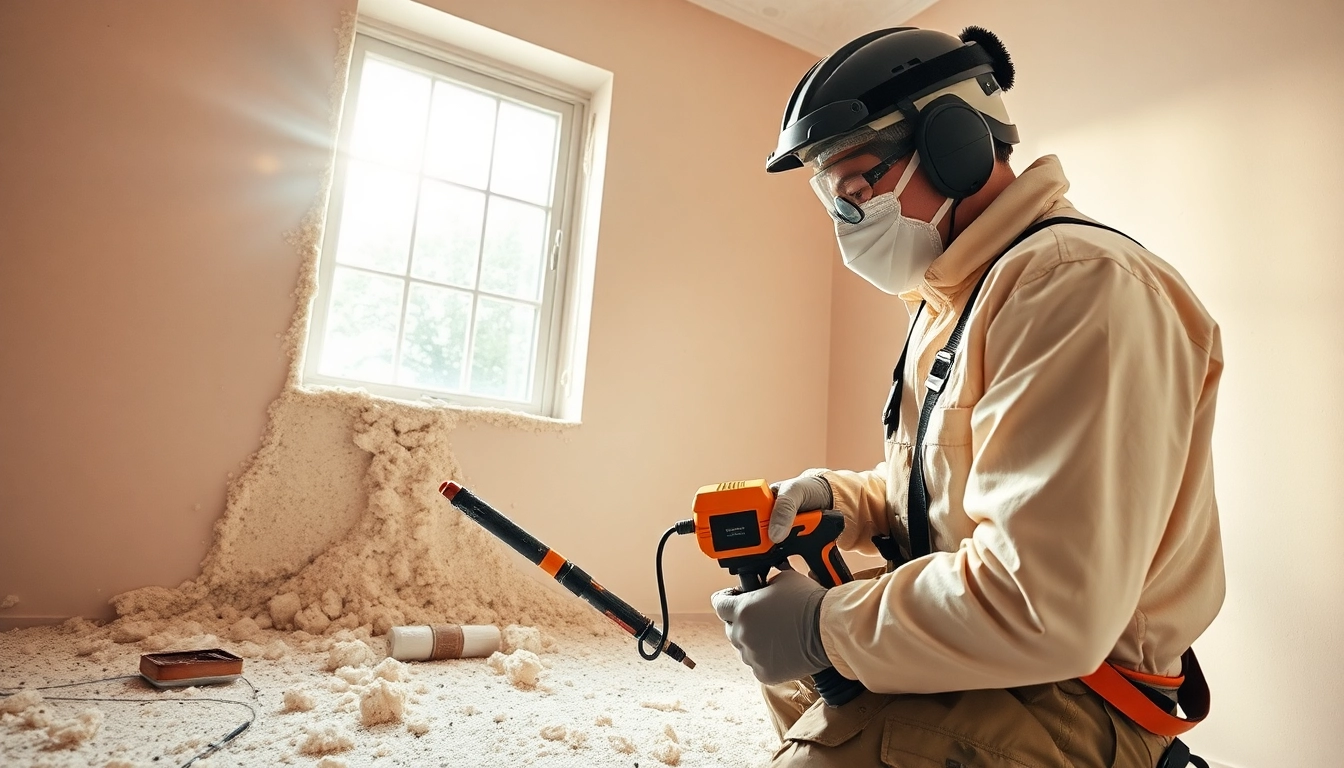
Understanding Open Cell Spray Foam Removal
What is Open Cell Spray Foam?
Open cell spray foam is a versatile insulation material made from polyurethane. It consists of tiny cells that are not fully closed, resulting in a soft, spongy texture. This foam is known for its excellent thermal insulation properties, soundproofing capabilities, and lightweight structure. Typically used in walls, ceilings, and floors, open cell spray foam can expand to fill gaps and crevices, creating an airtight seal that helps maintain comfortable indoor temperatures. However, while it offers many benefits, there may be instances when open cell spray foam removal becomes necessary due to installation issues, deterioration, or changes in building regulations.
Why Removal is Necessary
The need for open cell spray foam removal can arise for several reasons. One prevalent issue is moisture accumulation, which can lead to mold growth and damage to the structural integrity of buildings. In some cases, the foam may not adhere correctly, resulting in air leaks that compromise energy efficiency. Additionally, homeowners may want to replace insulation or upgrade to a different material that better meets their needs. Other motivations for removal include renovations that require altering space configurations or concerns about indoor air quality associated with chemical emissions from the foam.
Common Issues with Open Cell Spray Foam
There are a variety of common issues encountered with open cell spray foam insulation, which can necessitate its removal. These include:
- Mold Growth: Moisture can become trapped within the foam, leading to mold and mildew problems.
- Odor Problems: Off-gassing of chemicals from improperly cured foam can create unpleasant odors.
- Damage to Substrates: Continuous moisture exposure can result in structural damage to underlying materials.
- Pest Infestation: Some pests may find the foam nesting material, leading to infestations that can worsen the situation.
- Poor Performance: If not installed correctly, the foam may not provide the insulation benefits expected, justifying removal.
Preparing for the Removal Process
Essential Tools and Equipment
Before starting the open cell spray foam removal process, assembling the right tools and equipment is crucial. Key items include:
- Utility knife: A sharp utility knife is essential for cutting through the foam.
- Heat gun: This tool can soften the foam, making it easier to remove.
- Protective gear: Safety goggles, gloves, and a mask should be worn to avoid exposure to dust and allergens.
- Scraper or pry bar: Useful for removing foam from surfaces.
- Shop vacuum: A powerful vacuum will help clean up debris effectively.
Safety Precautions to Consider
Safety is paramount when removing open cell spray foam. Consider the following precautions:
- Ventilate the Area: Ensure good airflow by opening windows and doors.
- Use Respiratory Protection: A mask should be worn to prevent inhaling harmful particles.
- Wear Protective Clothing: Long sleeves and pants can help minimize skin exposure.
- Stay Clear of Electrical Sources: Be cautious around wiring and outlets to avoid electrical shock.
- Have a First Aid Kit on Hand: Being prepared for any minor injuries is essential.
Assessing the Area for Removal
Before beginning the actual removal, a thorough assessment of the area is vital. Start by:
- Inspecting the Foam: Determine the extent of the foam’s adherence to surfaces and any potential degradation of materials underneath.
- Identifying Hazards: Look for signs of moisture, mold, or pest infestations that may complicate the removal process.
- Mapping Out a Plan: Outline a removal strategy that considers the layout and size of the area affected.
- Checking Local Regulations: Understand any local guidelines regarding disposal of insulation materials.
Step-by-Step Guide to Open Cell Spray Foam Removal
Initial Steps to Take
Starting the removal process requires careful planning and execution. Follow these initial steps:
- Prepare the Area: Clear out any furniture and cover floors and remaining structures with drop cloths to minimize mess.
- Turn Off Power: Ensure that the electricity is turned off in the work area for safety.
- Gather Your Tools: Assemble all necessary tools within reach before starting.
Effective Removal Techniques
There are various techniques for effectively removing open cell spray foam. Here’s a breakdown of the methods:
- Cutting the Foam: Start by using a utility knife to cut along the edges of the foam. This will help detach it from surfaces.
- Heating the Foam: If the foam is particularly stubborn, a heat gun can soften it, making it easier to peel away.
- Prying Off Sections: After cutting, use a scraper or pry bar to gently remove the foam from the surface. Work slowly to avoid damaging base materials.
- Working in Sections: Tackling the removal in manageable sections can help keep the process organized.
Cleaning Up After Removal
Once the foam is removed, cleaning up is the next step. Follow these guidelines:
- Vacuum the Area: Use a shop vacuum to remove any debris and dust created during removal.
- Inspect for Damage: Check the underlying surfaces for any signs of damage that may need repair.
- Dispose of Materials Properly: Follow local regulations for disposing of insulation materials and packaging waste responsibly.
- Assess the Need for Replacement: Consider whether new insulation is needed and what type would best suit your needs moving forward.
Post-Removal Considerations and Best Practices
Addressing Potential Damage
After removing the open cell spray foam, it’s essential to assess any potential damage that may have occurred. Look for:
- Mold or Mildew: Any signs of mold growth around removed areas should be treated immediately.
- Structural Damage: Inspect for signs of water damage in adjacent materials, such as wood rot or corrosion.
- Surface Integrity: Determine if walls or ceilings need repair before installing new insulation.
Future Prevention Strategies
To prevent issues associated with open cell spray foam in the future, consider implementing these strategies:
- Ensure Proper Installation: If replacing, engage professionals who adhere to best practices and guidelines for installation.
- Monitor Humidity Levels: Keep indoor humidity low with dehumidifiers or proper ventilation to avoid moisture build-up.
- Seal Leaks Promptly: Address any drafts or leaks to ensure insulation performs effectively.
- Regular Inspections: Periodically check insulation areas for signs of wear, moisture, or pests to intervene early.
Consulting Professionals When Needed
While some may opt to undertake open cell spray foam removal as a DIY project, consulting professionals can often mitigate risks and ensure a thorough job. Experts not only have access to specialized equipment but are also well-versed in safety practices and regulations, which can save time and potential complications, ensuring that the removal process is efficient and compliant.
FAQs About Open Cell Spray Foam Removal
What are the signs that spray foam needs removal?
Signs that spray foam needs removal include visible mold, persistent odors, water damage, and poor insulation performance.
Is open cell spray foam removal a DIY project?
While some may attempt it, open cell spray foam removal can be challenging, and hiring professionals is often recommended for safety.
How long does the removal process take?
The duration of open cell spray foam removal can vary; however, a standard job typically takes a few hours to a day, depending on the area.
Are there any health risks during removal?
Yes, health risks may arise from inhaling dust or particles during removal; proper safety gear is essential to mitigate these risks.
What should I do after spray foam removal?
After removal, inspect for damage, clean the area, and consider what type of insulation, if any, should be installed next.