
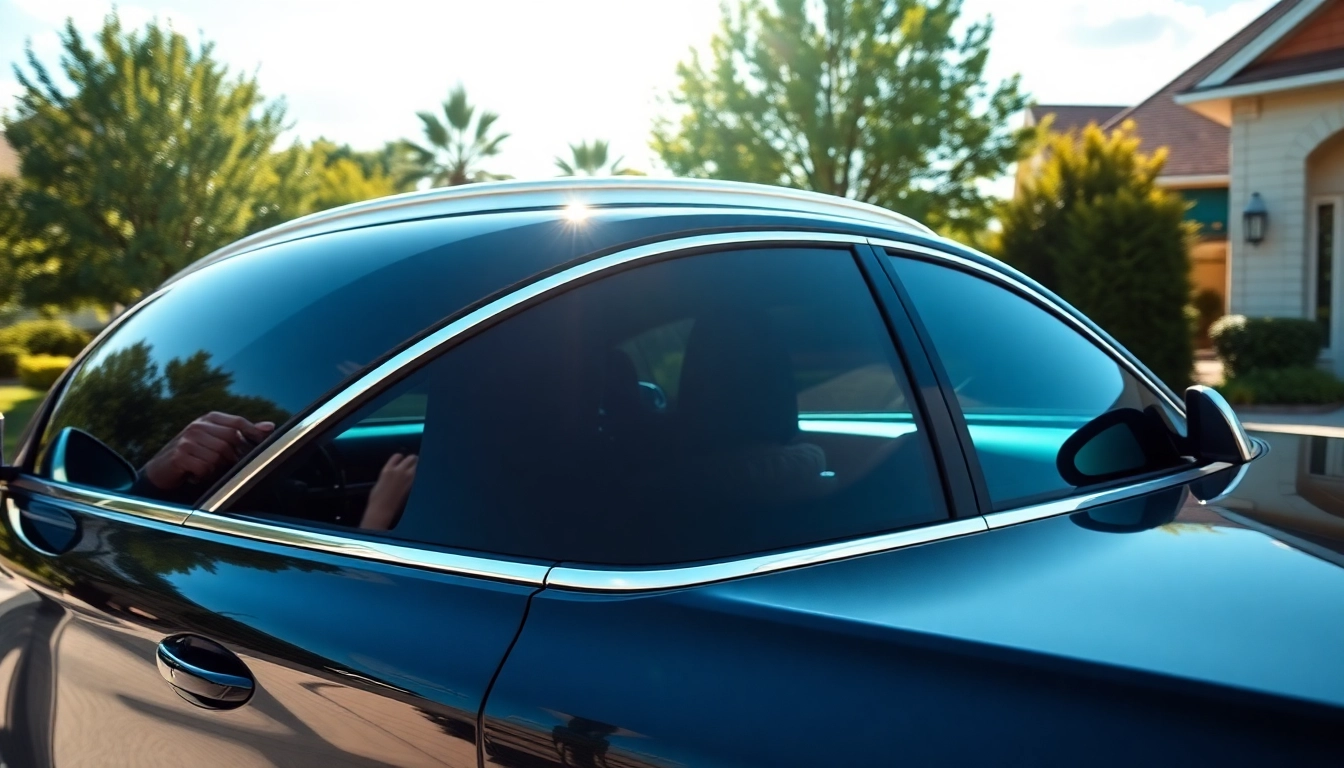
Understanding Window Tint and Its Benefits
What is Window Tint?
Window tint refers to a thin film or laminate that is applied to the inside of vehicle windows. Available in a variety of shades, it offers numerous advantages ranging from aesthetic appeal to greater functional efficiency. The primary purpose of window tint is to reduce glare and heat while providing privacy and security. It acts like a shield against harmful UV rays, protecting both passengers and vehicle interiors from sun damage. Many car owners separate the types of window tint into categories based on the films’ composition and performance characteristics, such as dyed, metalized, and ceramic. Enhancing the driving experience, window tint is an increasingly sought-after accessory for both personal and commercial vehicles.
Benefits of Window Tint Near Me
One of the primary benefits of installing window tint is UV ray protection. Research demonstrates that severe sun exposure can lead to skin damage, and window tint can filter out up to 99% of harmful UV rays. Additionally, window tint enhances thermal insulation, reducing the need for excessive air conditioning in hot climates, which can improve fuel efficiency and minimize energy costs. Furthermore, tinted windows significantly improve privacy by obscuring the visibility from outside while offering a sleek aesthetic to the vehicle. If you’re searching for window tint near me, it’s crucial to consider the local climate and your specific needs to determine which type of tint will suit your lifestyle best.
How Window Tint Improves Comfort
Comfort is paramount when it comes to vehicle ownership, and one way to enhance it is through window tinting. The reduction in heat and glare makes for a more enjoyable riding experience, especially during peak sun hours. In summer, an interior that’s shielded from excessive sunlight becomes less sweltering, reducing the need to crank up the air conditioning. Additionally, the film acts as an insulator, providing a more stable temperature within the vehicle throughout all seasons. This temperature stabilization decreases wear on the HVAC system, leading to longer vehicle life and better overall performance.
Different Types of Window Tint Available
Dyed Window Tint Options
Dyed window tint is one of the most basic types of tinting films. It consists of a layer of dye between an adhesive layer and a protective top coat. This type of tint absorbs heat and reduces glare while providing some level of privacy. However, dyed films can fade over time and may not offer the best performance regarding heat rejection. Still, they are popular due to their price point and aesthetic appeal.
Metalized Window Tint Features
Metalized window tint contains small metallic particles that serve multiple purposes. This type of tint helps to reject heat and reduce glare more effectively than dyed films, providing improved energy efficiency. The metallic content also adds a layer of strength to the film, making it less susceptible to scratches and other damages. However, due to the metallic elements, this type of tint can sometimes interfere with electronic signals, so it may not be suitable for all vehicles, especially those equipped with advanced technologies.
Ceramic Window Tint Advantages
Ceramic window tint is the latest innovation in window film technology. Made with ceramic particles, this type of tint offers superior heat rejection without compromising visibility. It blocks harmful UV rays and provides better glare reduction compared to both dyed and metalized films. Additionally, ceramic films do not contain metals or dyes, which means they do not fade over time and can enhance the durability of the windshield. For those seeking a long-term investment in vehicle comfort and protection, ceramic window tint undoubtedly stands out.
Choosing the Right Window Tint for Your Vehicle
Factors to Consider When Selecting
Choosing the right window tint involves several considerations to ensure that it meets aesthetic and functional requirements. First, assess the primary purpose of the tint: is it for privacy, heat insulation, or aesthetics? Next, consider local climate conditions—occupants may prefer higher heat rejection in warmer climates. Additionally, vehicle models with large glass surfaces may require a different type of tint than compact cars. Price is also an important factor; while high-quality films may have a higher initial cost, they often pay off in terms of durability and effectiveness. Finally, personal preferences regarding visual appeal should never be underestimated, as window tint is a significant feature of the vehicle’s overall look.
Legal Considerations for Tinting
Before getting your windows tinted, it is essential to verify local laws and regulations regarding window tinting. Many jurisdictions have specific limitations on the darkness of tint and the types of films prohibited. Adhering to these regulations not only ensures your safety on the road but also helps you avoid potential fines or legal issues. Researching the laws concerning windshield tinting, front side windows, back side windows, and rear windows can prevent future complications. Consulting with a local tinting service can also help clarify legal specifications for your area.
Finding Local Tinting Services
Once you decide on the type of window tint that best suits your needs, the next step is to find a reliable local tinting service. Start by researching online reviews and customer testimonials to gauge the quality of their work. Look for services that offer a warranty on their products, as this can indicate their confidence in the materials used. Visiting local shops for consultations can provide insight into their level of professionalism and customer service. Once you find a trusted provider, you can proceed with confidence to ensure your vehicle’s windows are tinted to perfection.
Installation Process for Window Tint
Preparation for Window Tinting
Preparing for window tint installation is a crucial step that can determine the overall success of the project. First, ensure your vehicle is clean and free of dust and dirt, as these particles can diminish the film’s adhesion. It’s advisable to wash the vehicle and wipe down the windows thoroughly. Additionally, selecting the right time for installation can make a difference; it’s best to perform this in a controlled environment, away from direct sunlight and dust. Furthermore, gather all necessary tools, including a cutting tool, cleaning solution, squeegee, and, if needed, a heat gun, to ensure a smooth installation process.
Step-by-Step Installation Guide
- Begin by cleaning the windows thoroughly to remove any dirt, grime, or residues.
- Measure the windows and cut the tint film to size, leaving a little excess around the edges.
- Apply a slip solution to the window surface to help position the tint accurately.
- Position the tint film carefully on the window, starting from the top and gradually lowering.
- Use a squeegee to remove air bubbles and excess solution, working from the center outwards.
- Trim any excess film around the edges for a clean finish.
- Allow the tint to set according to the manufacturer’s instructions, ensuring the adhesive cures properly.
Following these steps will help ensure a professional-looking application of your window tint.
Common Mistakes to Avoid
Installing window tint can be tricky, and several common mistakes can lead to disappointing results. One of the most frequent errors is failing to clean the windows thoroughly before application, which can trap dirt and reduce adhesion. Another mistake is applying the tint in direct sunlight, causing the film to dry too quickly and leading to bubbles or wrinkles. Furthermore, rushing the installation process can compromise the film’s positioning and lead to uneven edges or air pockets. To avoid these pitfalls, take your time, work in a suitable environment, and ensure appropriate tools are at hand.
Maintaining Your Window Tint for Longevity
Care Tips for Your Tint
Proper maintenance of your window tint will ensure it lasts for years and maintains its effectiveness. To clean tinted windows, use a microfiber cloth and a mild, ammonia-free glass cleaner to avoid damaging the film. Avoid abrasive materials that can scratch the surface. It’s essential to allow the tint to cure fully before applying any cleaning products, typically within a few days post-installation. Regularly inspect your windows for any signs of bubbling or peeling, which may indicate that the film is deteriorating and requires attention.
Signs of Damage to Look Out For
Being vigilant about your window tint’s condition can prevent serious issues. Look for signs such as bubbling, discoloration, or peeling at the edges. If you notice any irregularities like a hazy appearance, this may signify an underlying problem with adhesion. Furthermore, excessive scratching can occur from improper cleaning or moving objects against the glass, which might necessitate repairs or reinstallation. Early detection of these signs can prolong the life of your window tint and help maintain the vehicle’s aesthetic appeal.
When to Seek Professional Help for Tint Repair
If your window tint shows signs of significant damage, seeking professional assistance is advisable. Often, minor issues can be repaired, but severe bubbling, peeling, or extensive discoloration may require full removal and replacement of the tint. A qualified window tinting professional can assess the damage and recommend the appropriate course of action. If problems arise shortly after installation, consult with the service provider about warranty coverage or guarantees they may offer for repairs.
Frequently Asked Questions
What types of window tint are available?
There are several types of window tints, including dyed, metalized, and ceramic films, each offering unique benefits and drawbacks.
Is window tinting legal in my area?
Window tinting laws vary by state or region; it’s crucial to check local regulations for restrictions on tint darkness and type.
How long does the window tint installation take?
Typically, window tint installation can take anywhere from 1 to 4 hours, depending on the vehicle and the number of windows being tinted.
How can I prevent my window tint from fading?
To prevent fading, use high-quality films, avoid abrasive cleaning products, and park in shaded areas or use sunshades when necessary.
Can I install window tint myself?
While it’s possible to install window tint yourself, professional installation is recommended for optimal results and to avoid common mistakes.