Understanding Cape Style Home In-Law Addition
Defining Cape Style Architecture
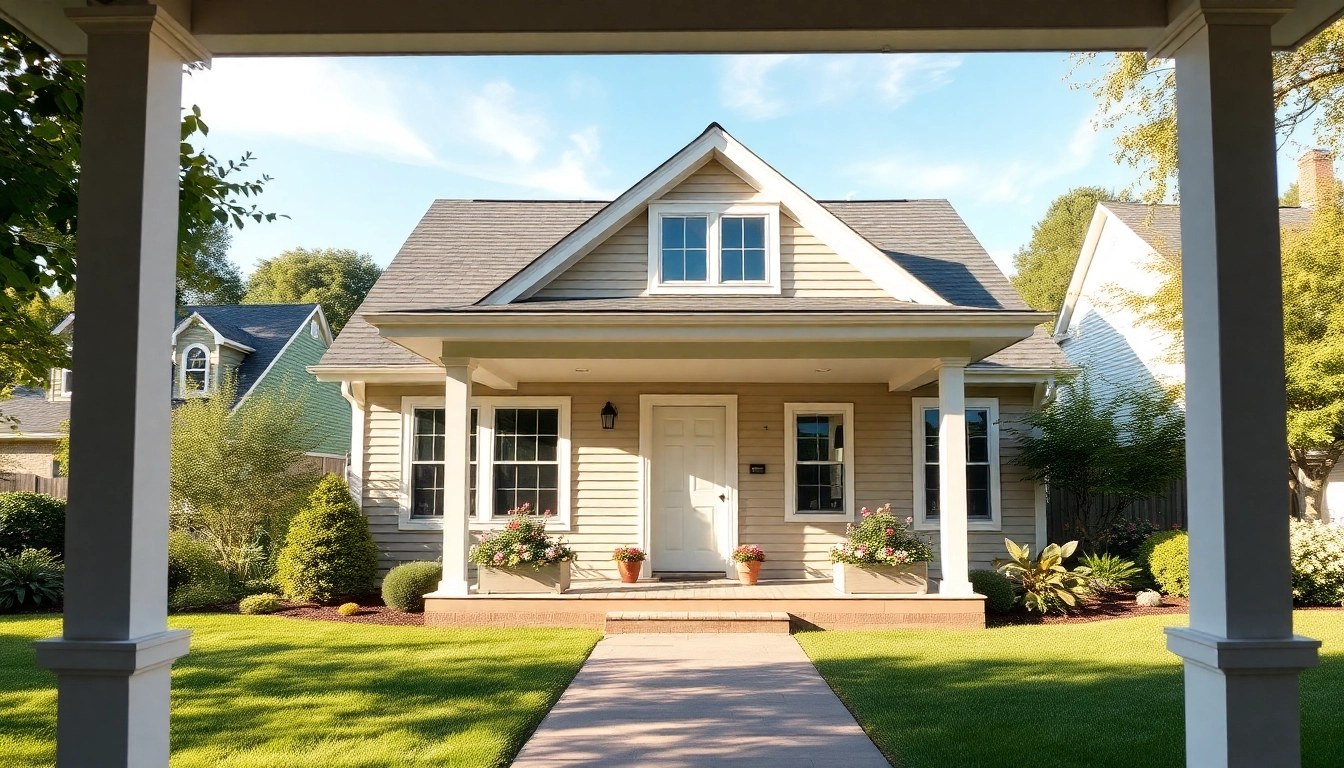
Cape style architecture, rooted in early American design, is characterized by its symmetrical facades, steeply pitched roofs, and dormer windows. This architectural style captures a sense of history and tradition. The simplicity of forms and functional interiors makes it a favorite among homeowners seeking charm and practicality. The Cape Style Home In-Law Addition represents a seamless blend of classic appeal and modern accommodation, tailored for families seeking a harmonious living arrangement.
Importance of In-Law Additions
In-law additions are essential residential extensions that cater to the growing need for multi-generational living. These structures offer dedicated spaces for aging parents or adult children, promoting family closeness while providing independence. Such arrangements can enhance familial bonds and support systems, making it easier to care for loved ones without sacrificing privacy or comfort. The trend towards in-law additions aligns with the increase in family members choosing to live together for financial, social, or caregiving reasons.
Benefits for Multi-Generational Living
Multi-generational living comes with numerous benefits, both practical and emotional. The primary advantage is financial savings; shared living expenses can alleviate the burdens of housing costs. Additionally, enhanced family support systems benefit mental health and emotional well-being. Space designed specifically for each family’s needs allows for a comfortable coexistence, ensuring that all members can thrive while maintaining their independence. With the rising popularity of this lifestyle, incorporating an in-law addition in a Cape-style home becomes increasingly appealing.
Design Considerations for Cape Style Home In-Law Addition
Architectural Features to Incorporate
When designing a Cape style home in-law addition, particular architectural features should be considered to harmonize with the existing home. Classic elements such as gable roofs, wooden siding, and dormers can integrate seamlessly with modern amenities. The addition should respect the original design’s symmetry and proportions, ensuring it looks like a natural extension of the house. Large windows can provide light and connection to the outdoors while enhancing the visual appeal of the property.
Functional Layouts and Flow
A functional layout is essential to maximize the benefits of an in-law addition. Considerations include the flow between shared and private spaces, ensuring easy access to common areas like kitchens and living rooms while providing distinct areas for privacy. Efficient design can enhance comfort, with open-concept designs promoting interaction and separation through clever architectural features such as sliding doors or partial walls. This balance between shared and independent spaces encourages family interaction while respecting individual needs.
Materials and Finishes
The choice of materials and finishes impacts both aesthetics and functionality. Using traditional materials like wood shingles or clapboard siding can maintain the historic feel of a Cape style home, while modern insulation and energy-efficient windows can improve comfort. Inside, family-friendly finishes such as durable flooring and easy-to-clean surfaces offer practicality without compromising style. Thoughtful choices in materials can enhance the longevity and appeal of an in-law addition, ensuring it remains a comfortable living space for years to come.
Enhancing Curb Appeal
Landscaping Ideas for In-Law Additions
Effective landscaping can significantly enhance the curb appeal of a Cape style home with an in-law addition. Incorporating native plants, graceful pathways, and inviting seating areas can create a welcoming atmosphere. Raised garden beds or colorful flower arrangements can add visual interest, while mature trees offer shade and privacy. Outdoor spaces should complement the architecture and incorporate natural elements that align with the style and needs of the home, turning the property into a picturesque retreat.
Front Porch and Entryway Design
The entryway of a Cape style home sets the tone for the entire property. A spacious front porch can function as an outdoor living area while providing shelter. Design elements like classic railings, comfortable seating, and decorative lanterns can make the entrance more inviting. The use of durable materials for the porch ensures longevity, while incorporating plants and seasonal decor can enhance the aesthetic appeal year-round.
Color Schemes and Outdoor Lighting
Selecting the right color scheme is vital in enhancing the home’s exterior. Traditional colors like soft whites, deep greens, and muted blues create a timeless look. Additionally, integrating outdoor lighting can improve functionality and security while highlighting architectural features at night. Pathway lights, wall sconces, and string lights can all contribute to a warm ambiance and increase the overall charm of the property.
In-Law Addition Layout Options
Open-Concept vs. Traditional Spaces
Choosing between open-concept layouts and traditional rooms is a pivotal decision for an in-law addition. Open floor plans promote interaction and can make smaller spaces feel larger. They work well in accommodating modern lifestyles, making it easier for family members to socialize. Conversely, traditional layouts offer more distinct privacy for individual family members, which can be beneficial for multi-generational living as they provide dedicated areas that can be personalized.
Privacy Considerations
In-law additions must consider the need for privacy for both the occupants and the primary family. Strategic placement of windows, entrances, and soundproofing materials can help maintain privacy while allowing for family interaction. Planning for private entrances or separate outdoor spaces can also ensure that in-law relatives can enjoy independence, which is a critical factor in multi-generational living arrangements.
Accessibility Features
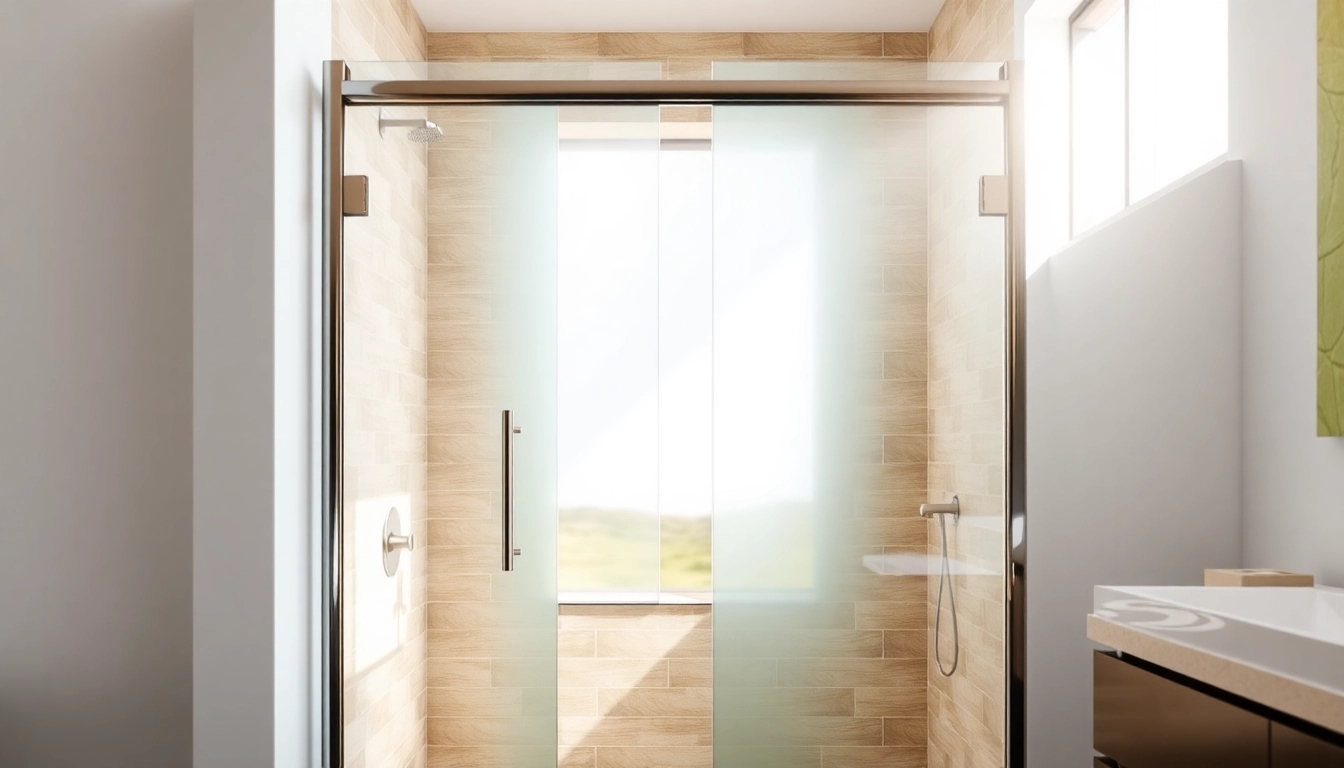
Incorporating accessibility features is paramount for family members who may have mobility challenges. Design elements should include wide doorways, single-story layouts, and accessible bathrooms. Features such as grab bars, non-slip flooring, and ramps help create an environment that is safe and inclusive. These considerations not only cater to existing needs but also future-proof the in-law addition for changing circumstances.
FAQs About Cape Style Home In-Law Addition
FAQ 1: What is the cost of a Cape Style Home In-Law Addition?
The cost of a Cape Style Home In-Law Addition varies based on size, materials, and design complexities. On average, homeowners can expect to spend between $100,000 to $250,000, but significant variations exist depending on specific requirements and local building costs.
FAQ 2: How long does it take to build an In-Law Addition?
Typically, constructing an in-law addition takes about three to six months, depending on design complexity, weather conditions, and the efficiency of the construction team. Planning and permit procurement can extend the timeline, so it’s prudent to account for these factors.
FAQ 3: What permits are needed for construction?
Permits required for an in-law addition include zoning permits, building permits, and possibly electrical or plumbing permits. It’s essential to check with local authorities to ensure compliance with regulations and avoid potential issues during construction.
FAQ 4: Can I customize the design of my In-Law Addition?
Yes, customization is one of the primary advantages of building an in-law addition. Homeowners can work with architects or contractors to ensure the design meets their specific needs, preferences, and style, making it a personal and functional space for their family.
FAQ 5: What are the financing options available for this project?
Homeowners have several financing options for an in-law addition, including home equity loans, personal loans, and refinancing current mortgages. Government programs may also provide assistance for home renovations, especially for accessibility features.