
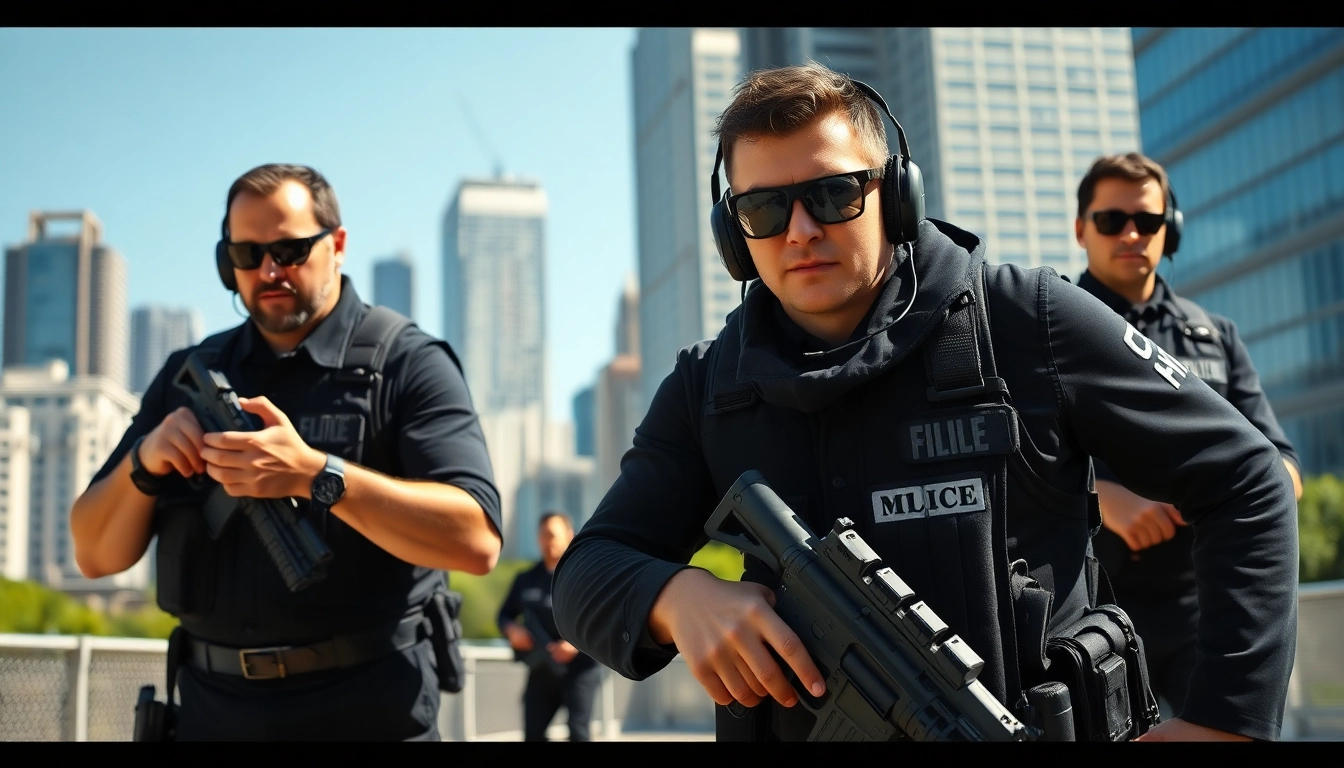
Understanding the Professional Body Guard Program
Definition and Importance
The Professional Body Guard Program is a specialized training regimen designed to equip individuals with the skills necessary for protecting clients from potential threats. Bodyguards play a crucial role in the safety and security of high-profile individuals, including celebrities, business executives, and political figures. The importance of the program lies not only in physical protection but also in fostering peace of mind for clients, enabling them to live and work without fear of harm. This dual focus on physical and mental empowerment underscores the need for rigorous training and a comprehensive understanding of various protective techniques and strategies.
Key Skills & Attributes
Effective bodyguards must develop a diverse array of skills and attributes throughout their training. Key skills include:
- Situational Awareness: The ability to assess the environment and identify potential threats is vital. Bodyguards need to remain vigilant and alert.
- Physical Fitness: Maintaining peak physical condition ensures that bodyguards can react swiftly to threats and engage in necessary defensive actions.
- Communication Skills: Clear communication, not only with clients but also with team members, is essential for maintaining safety protocols.
- Conflict Resolution: Bodyguards must know how to defuse tense situations without resorting to violence.
- Discretion: Maintaining confidentiality and exercising discretion is a big part of protecting a client’s safety and privacy.
Typical Program Structure
A typical Professional Body Guard Program comprises various modules focusing on essential areas. Key components often include physical training, emergency response techniques, legal knowledge surrounding the use of force and self-defense, and tactical driving. Additionally, psychological aspects of personal security, such as threat assessment and behavioral analysis, are emphasized to prepare bodyguards for real-world scenarios.
Core Elements of a Professional Body Guard Program
Physical Training Requirements
Physical training is the cornerstone of any bodyguard program. Participants engage in rigorous workouts that enhance strength, endurance, and agility. Training often includes:
- Cardiovascular Workouts: Essential to building stamina, allowing bodyguards to keep pace with clients and navigate various terrains.
- Strength Training: Focused on developing muscle power, which can be crucial during defensive scenarios.
- Martial Arts: Understanding different martial arts techniques is advantageous for incorporating them into protective strategies.
- Self-Defense Techniques: Learning to disarm and immobilize threats without unnecessary aggression is crucial.
- Tactical Movement: Practicing movement strategies to help evade or maneuver around potential dangers.
Cognitive Skills Development
While physical fitness forms a significant part of a bodyguard’s training, cognitive skills are equally vital. Development areas typically include:
- Threat Assessment: Bodyguards learn to analyze environments for threats and gauge the risk level of various situations.
- Decision Making Under Pressure: Training simulates high-pressure situations requiring quick yet sound decision-making.
- Communication Skills: Effective negotiation and interaction tactics are developed through simulations and role-playing exercises.
- Observation Techniques: Mastering how to detect subtle cues in behavior and environment is essential for proactive safety measures.
Legal Considerations in Security Services
A robust comprehension of the legal landscape surrounding personal protective services is crucial. Bodyguards must be aware of:
- Use of Force: Understanding when and how to legally engage with potential threats is necessary to avoid repercussions.
- Client Rights: Individuals working in this field must respect and protect the rights of their clients while providing security.
- Regulatory Compliance: Abiding by laws and regulations applicable to security services in their jurisdiction is paramount.
- Insurance Requirements: Awareness of the necessary insurances to cover both the bodyguard and the client in various scenarios.
Choosing the Right Professional Body Guard Program
Evaluating Accreditation and Quality
When selecting a Professional Body Guard Program, it’s imperative to assess the quality and accreditation of the institution offering training. Programs should ideally be recognized by reputable bodies within the security industry. These accreditations serve as indicators of quality and adherence to industry standards, ensuring that trainees receive the most effective and current training available.
Specializations and Focus Areas
Bodyguarding can encompass a variety of specializations, including but not limited to:
- Executive Protection: A focus on protecting high-profile business leaders and celebrities.
- Event Security: Providing security for large gatherings and ensuring safety protocols are followed.
- Close Protection: High-intensity scenarios where personal safety is at immediate risk.
- Family Protection: Focused on safeguarding family members, including children and spouses of high-profile individuals.
Choosing a program that offers specializations allows bodyguards to tailor their training to focus on their career aspirations.
Course Duration and Format
The length and format of programs can vary greatly, ranging from intensive boot camps lasting several weeks to longer, part-time courses extending over several months. It is vital to consider how a course fits within your personal and professional commitments. Online courses may also be available, offering flexibility for those balancing other obligations.
Challenges in Bodyguard Training
Overcoming Physical Limitations
Physical limitations can pose challenges in training. Participants must be proactive in identifying their weaknesses. Custom training regimes can be designed to address specific areas, ensuring that all bodyguards can meet the demands of the job. Group support can also provide motivation and assistance, fostering a collaborative training environment.
Coping with High-Pressure Situations
Bodyguards regularly face high-stress environments, and training in stress-management techniques is crucial. Simulating real-life scenarios that induce pressure can help participants acclimatize. Techniques such as controlled breathing, visualization, and mindfulness can empower bodyguards to maintain composure during critical incidents.
Maintaining Vigilance and Awareness
Being vigilant is mentally taxing, and bodyguards must develop strategies to maintain focus without fatigue. Techniques such as rotating duties with team members during long assignments can help. Regular training sessions also ensure that bodyguards remain sharp, enhancing their overall awareness and observational capabilities.
Future Trends in Bodyguard Training
Technological Advancements in Security
As technology evolves, so does the landscape of security and bodyguarding. Modern training programs are integrating technological tools such as drones, surveillance systems, and cybersecurity measures into their curriculum. Knowledge of these tools can enhance bodyguards’ effectiveness, allowing for more comprehensive protection strategies.
Shifts in Public Safety Concerns
With changing societal norms and evolving threats, bodyguard training must adapt accordingly. Programs increasingly focus on addressing contemporary issues, such as terrorism, political unrest, and cyber threats. Understanding these new dynamics prepares bodyguards to provide effective protection in today’s complex world.
Emerging Career Opportunities
The field of personal security continues to expand, leading to new career paths within bodyguarding. Opportunities can now encompass consulting roles, training other security professionals, or specializing in particular sectors such as vulnerability assessments or security technology consultancy. Staying abreast of these trends is crucial for aspiring bodyguards.
FAQs
What prerequisites are necessary for enrolling in a Professional Body Guard Program?
Most programs require a high school diploma or equivalent. Some may also recommend prior experience in law enforcement or security services.
How long does a typical Professional Body Guard Program take to complete?
The duration varies, but intensive programs generally last 4-12 weeks, while part-time courses can take several months to complete.
Are there different types of bodyguard training available?
Yes, training can vary significantly, including specialties such as executive protection, event security, and close protection.
What are the main job responsibilities of a bodyguard?
Bodyguards primarily ensure the safety of clients, assess threats, implement security measures, and manage emergency situations as needed.
How can I stay updated on industry trends after completing my training?
Engaging in continuous education, attending workshops, networking in the industry, and following security news will help you stay informed.